

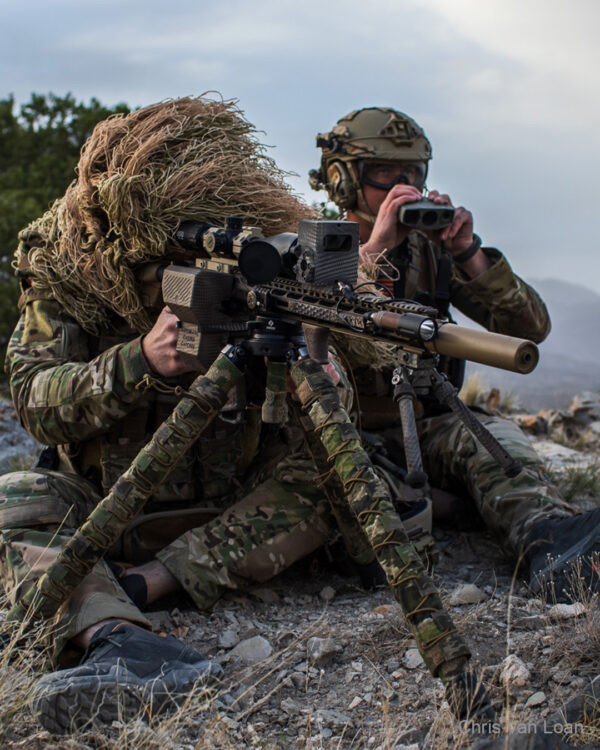
Special operations and high-readiness units — whether military special forces, RCMP tactical teams, or emergency response units — operate under equipment demands that standard procurement processes weren't built for. Compressed timelines, mission-specific specifications, and accountability requirements all raise the bar. Here's what actually matters when sourcing for these units.
Speed Without Sacrificing Compliance
Special forces procurement often can't wait for a standard multi-month tender cycle — but it still has to satisfy audit and accountability requirements. Working with a supplier who already holds NATO registration (NCAGE code) and can produce compliant documentation on demand removes a major bottleneck, since vendor qualification doesn't have to happen from scratch on every request.
Mission-Specific Configuration Over Off-the-Shelf
Special operations loadouts rarely match a catalog listing exactly. Common configuration needs include:
- Custom-cut soft armor panels for unusual body types or specific carrier integration
- Helmet and NVG mount combinations matched to a unit's specific optics
- Aerial extraction and load systems for helicopter-insertion capable teams
A supplier that can source and configure to spec — rather than only offering fixed catalog items — saves significant time when requirements are mission-specific.
UAV and Counter-UAV Capability
Drone-based surveillance and counter-drone detection have become standard requirements for many special operations and high-risk protective units. Sourcing tactical drones and counter-UAV systems from a single accountable supplier — rather than separate vendors for each — simplifies both integration and long-term support.
Search and Rescue and Extraction Integration
Units with a SAR or casualty evacuation mandate need equipment that works together as a system: rope access and vertical rescue gear, litter harnesses, and helicopter extraction hardware all need to be rated and tested for use together, not assembled from mismatched components after the fact.
Documentation Requirements for Special Programs
Government and defense procurement for special units typically requires specific supplier credentials on file before an order can even be processed:
- NCAGE / NATO Commercial and Government Entity code
- D-U-N-S number for entity verification
- Sole-source or limited-tender justification documentation, where applicable
Confirming a supplier already has these on hand — rather than discovering gaps mid-procurement — prevents delays on time-sensitive orders.
A Single Point of Accountability
FairD Canada is a NATO-registered supplier (NCAGE L0LB5, D-U-N-S 205005966) equipping special operations units, tactical teams, and emergency response organizations across Canada. We manage sourcing, documentation, and delivery as one accountable process — not a chain of separate vendors. Reach out through our Government & B2B Solutions page to discuss mission-specific requirements directly with our procurement team.


