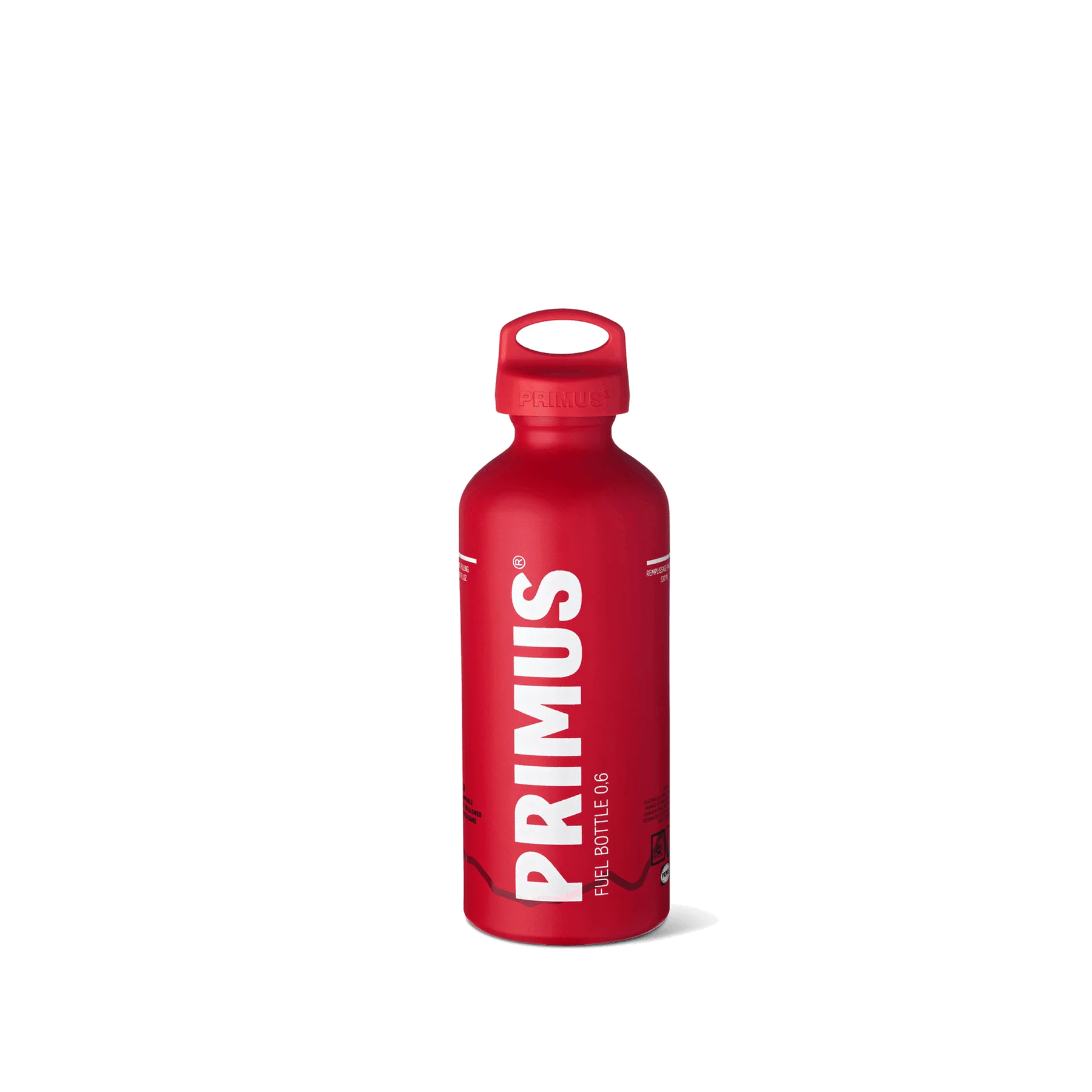
Multi Fuel Stoves

Professional Field Cooking Systems
Primus Multi Fuel Stoves for SAR, Military Field Use, Alpine Operations & Winter Expeditions in Canada
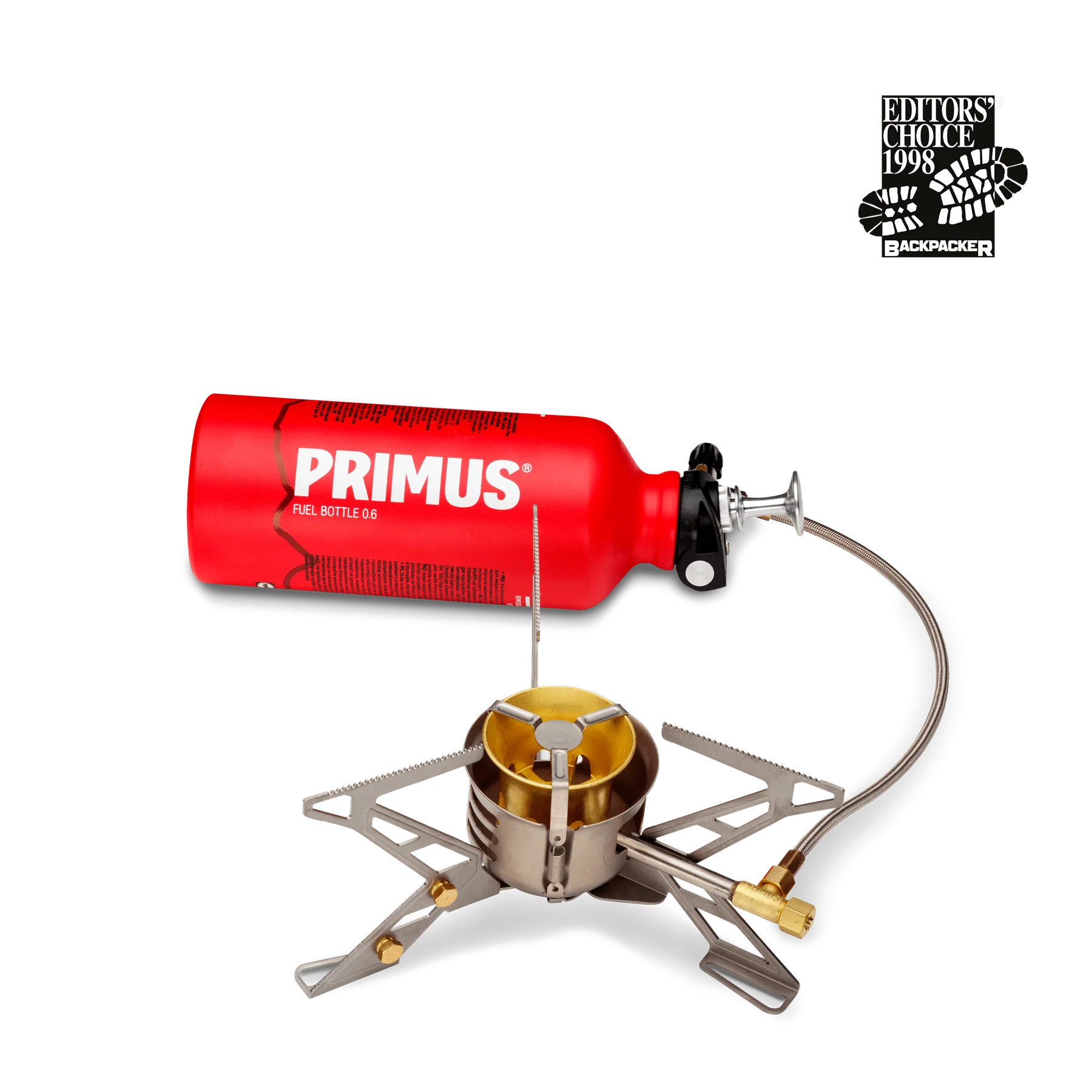
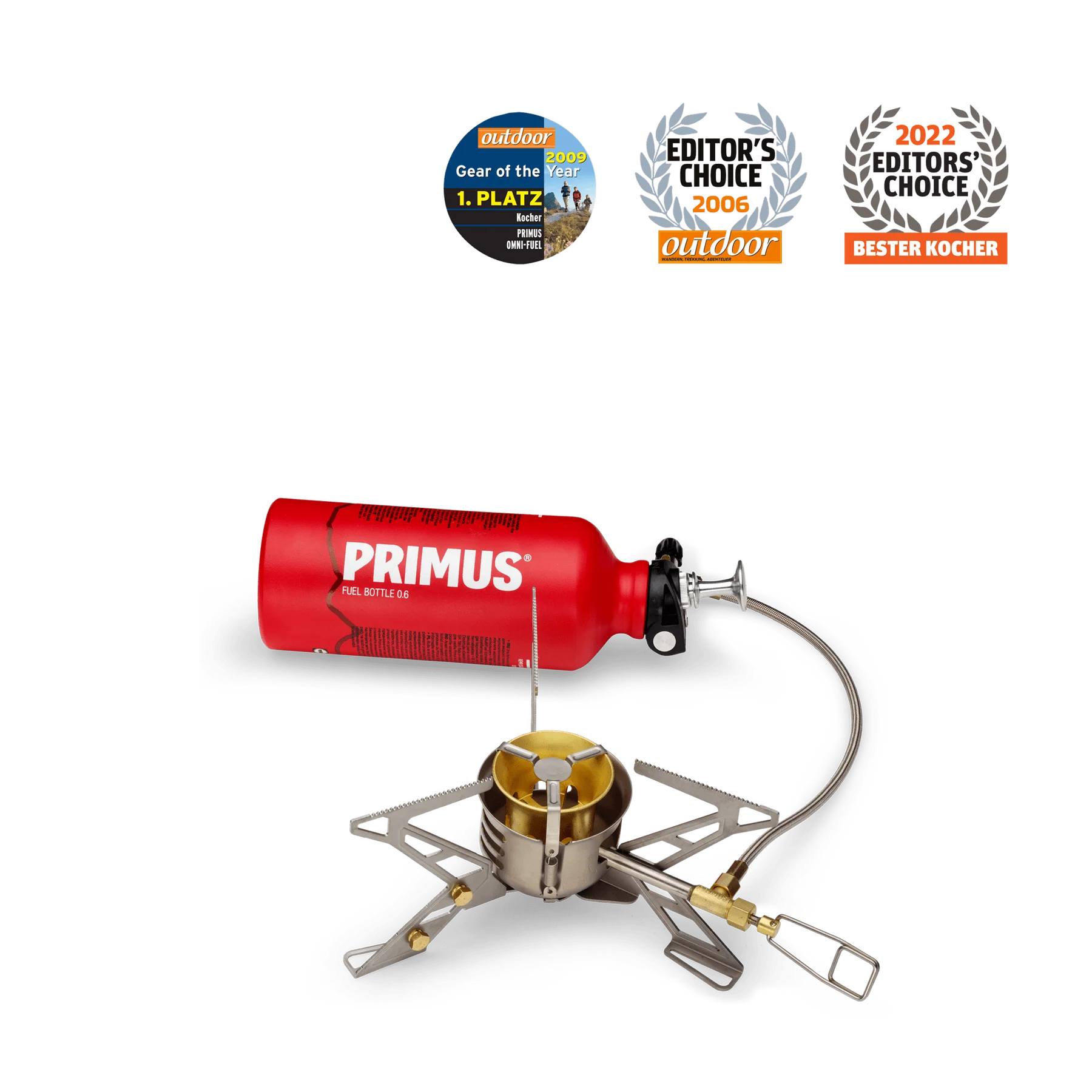
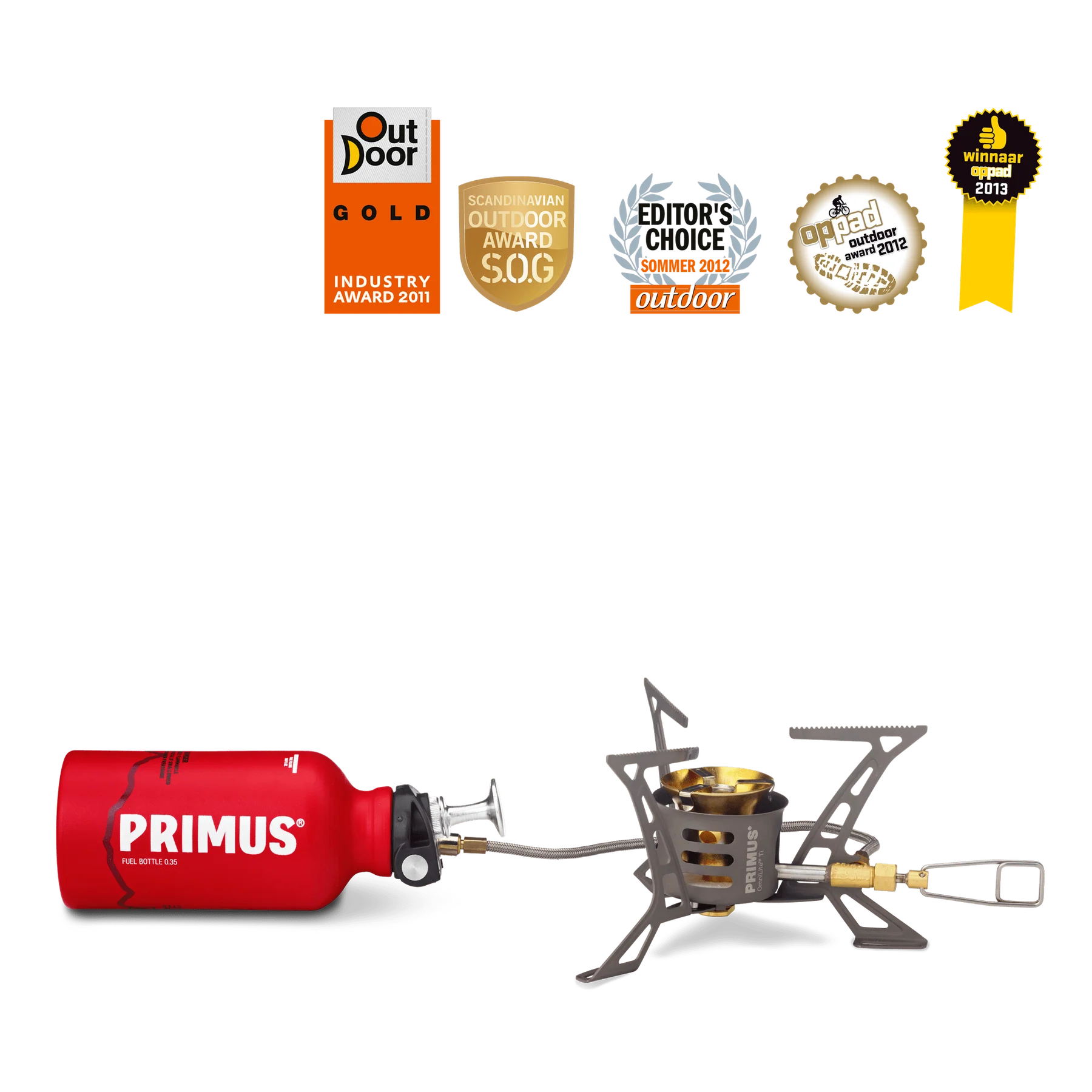
When the mission moves beyond convenience and into true field reliability, a multi-fuel stove becomes a serious tool. For search and rescue teams, military users, remote field crews, alpine specialists and winter backcountry travel, Primus multi-fuel systems deliver dependable heat output, fuel flexibility and cold-weather confidence where failure is not an option.


Mission-Ready Fuel Flexibility
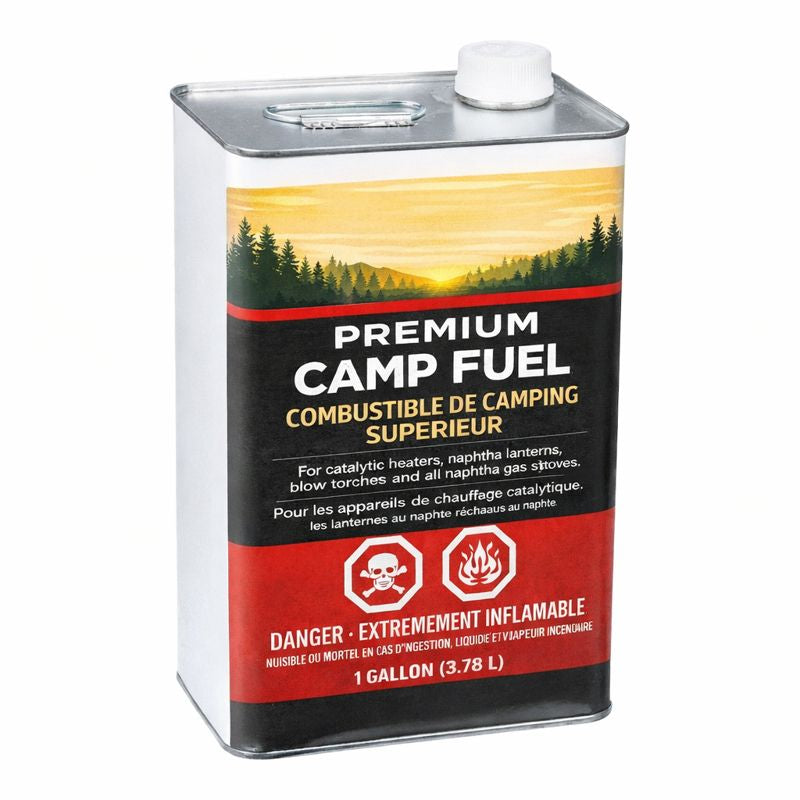
White gas / naphtha remains one of the cleanest and most practical fuels for high-output field stove use, while kerosene offers a valuable fallback where local sourcing varies by region, country or operational supply.
Built for Harsh Winter Use
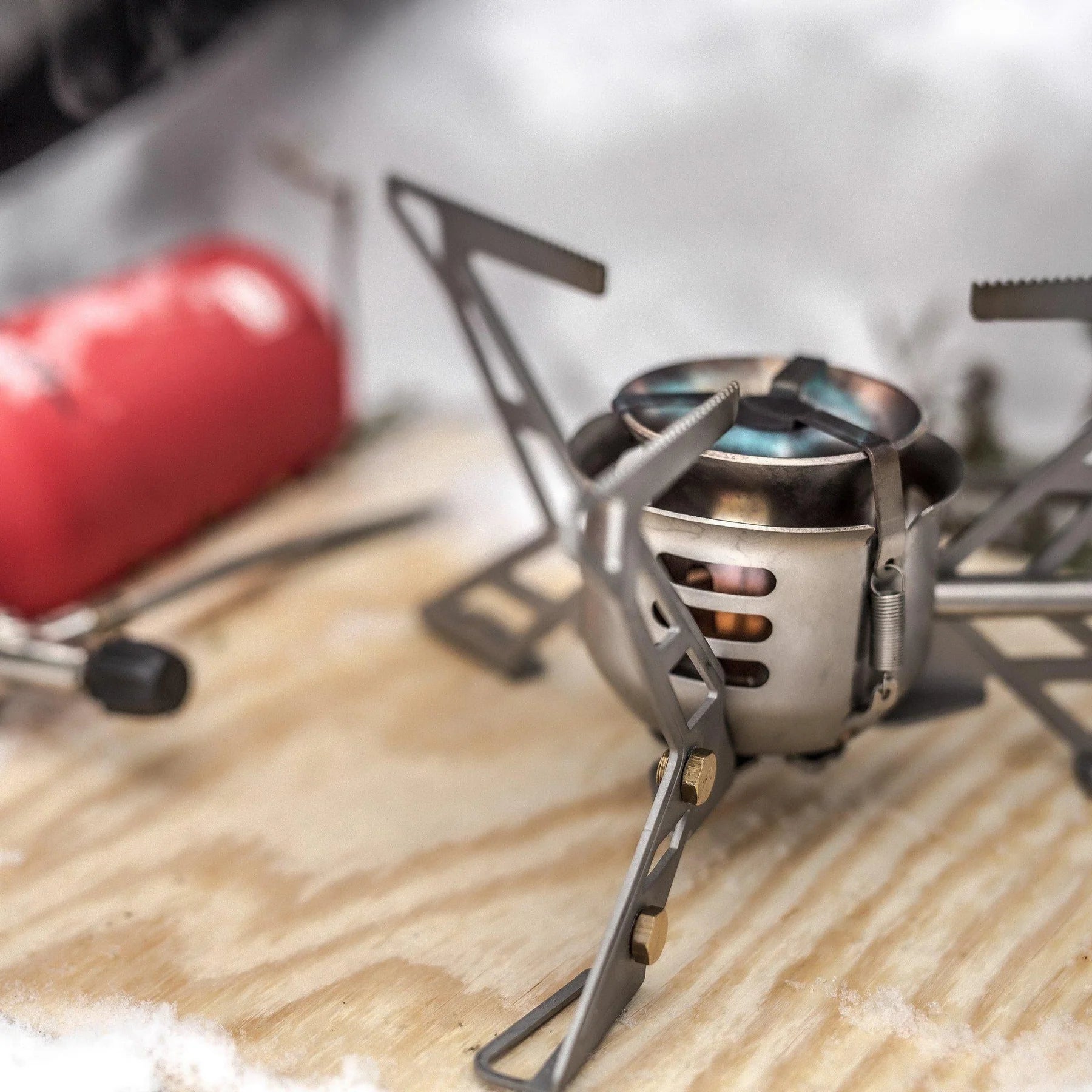
In deep cold, liquid-fuel systems remain a trusted solution for melting snow, generating hot water, preparing meals and maintaining reliable stove output when low temperatures punish less capable systems.
Professional Application
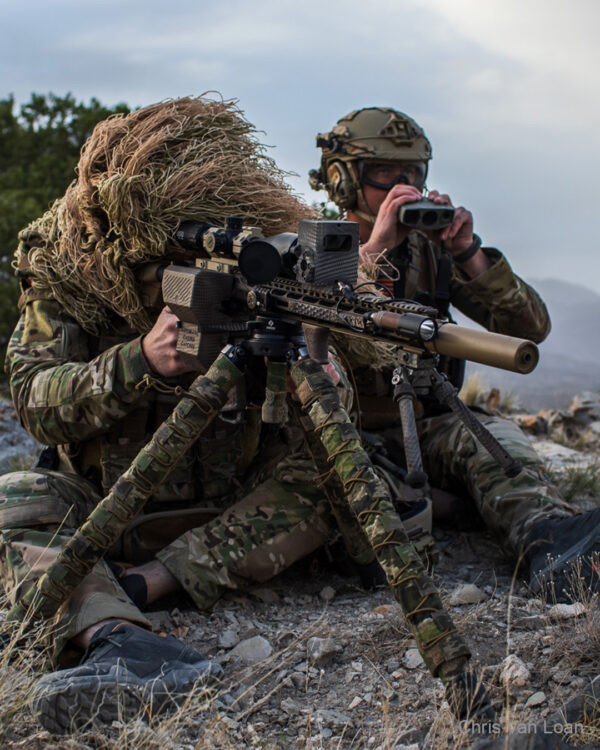
Ideal for SAR, military field deployment, remote camp support, winter patrol, northern operations, mountain travel, overland use and demanding expedition environments across Canada.
Why White Gas Still Makes Sense for Professional Users
White gas, often referenced as naphtha or expedition fuel, remains one of the strongest choices for users who need a clean-burning, efficient and field-serviceable liquid fuel platform. For repeated winter use, it generally burns cleaner than heavier fuels, reduces soot buildup, helps simplify maintenance and supports consistent stove performance over time.
For professional users, the advantage is not just heat. It is logistical predictability. Fuel bottles can be measured, staged, rationed and packed according to trip duration, team size and water production requirements. That matters on multi-day winter routes, remote deployments and unsupported backcountry operations.
Operational Benefits
- Cleaner combustion than heavier field fuels
- Lower soot and residue in long-term use
- Easier maintenance planning
- Better for expedition-style fuel forecasting
- Excellent for snow melting and repeated boil cycles
Why SAR and Military Users Continue to Choose Multi-Fuel
In real field conditions, stove selection is not about lifestyle convenience. It is about redundancy, reliability, fuel availability and predictable performance under stress. Search and rescue teams may need immediate hot water, casualty support, snow melting or prolonged shelter operations. Military and professional field users may be operating in exposed terrain, cold-weather staging zones, alpine routes or isolated positions where adaptable fuel options matter.
A true multi-fuel stove platform helps reduce dependence on one fuel type and supports use across changing environments. That makes it highly relevant for northern deployments, remote access work, winter mobility and austere conditions.
Estimated Fuel Planning for 7 Days of Winter Camping Around -30°C
These are field planning estimates designed for realistic Canadian winter use. Actual fuel needs vary with shelter, wind, amount of snow melted, cook routine, pot efficiency, altitude, number of users and operating discipline.
Solo User
For one person running hot drinks, daily meals and consistent snow melting, a practical planning range is often 0.7 to 1.1 litres of white gas over 7 days.
In harder conditions with extensive snow melting or high wind exposure, carrying closer to 1.2 to 1.4 litres is a safer field margin.
Two-Person Winter Camp
For two users, a realistic field estimate commonly lands around 1.4 to 2.2 litres for 7 days, especially where water production depends mostly on snow melting.
Heavy use, repeated rehydration cycles and large daily water demands can justify planning on the upper end.
Field Rule
In severe winter environments, it is smarter to carry a controlled fuel reserve than to optimize too tightly. Reliability beats minimalism when heat and water are mission-critical.
Kerosene Availability Can Be a Serious Advantage
One of the most valuable aspects of a multi-fuel stove is adaptability. While white gas is often the preferred choice for cleanliness and low-residue operation, kerosene remains highly relevant when travel crosses borders, local supply changes, or regional sourcing becomes uncertain.
For international travel, remote resupply or operational planning where fuel assumptions can change, kerosene compatibility adds resilience to the overall system. It may not always be the first choice, but it can become the fuel that keeps the stove useful when options narrow.
Why Kerosene Matters
- Useful across variable regional supply chains
- Strong fallback for international use
- Improves fuel resilience in the field
- Supports long-range operational planning
High Altitude Performance and Operational Relevance
At altitude, stove behaviour becomes more technical. Lower atmospheric pressure changes combustion dynamics, affects boil characteristics and can influence overall cooking efficiency. In these environments, a high-output expedition-grade multi-fuel stove offers an advantage because it combines serviceability, high heat potential and fuel flexibility in one deployable platform.
For alpine users, mountain rescue teams, high-elevation winter travel and remote camp systems, a well-managed multi-fuel setup remains a serious asset. The ability to melt snow rapidly, maintain output in exposed conditions and adapt fuel strategy according to local availability is a meaningful strength.
Lower Boiling Point
Water boils at a lower temperature at altitude, which changes cooking behaviour and makes stove efficiency and pot setup more important.
Wind & Exposure
In exposed mountain environments, wind management, priming discipline and heat retention become increasingly important to fuel economy.
Fuel Redundancy
Multi-fuel compatibility supports better contingency planning where the original fuel assumption may no longer hold.
Ideal Use Cases in Canada
Professional Heat Output for Real Canadian Conditions
When the environment is cold, remote, high, exposed or operationally demanding, multi-fuel capability stops being a bonus and becomes a real advantage. Primus multi-fuel systems remain a strong choice for users who need performance, flexibility and dependable field function in Canada.
Filtres
Filtres